For 184 days in 1962, Seattle sold a ticket to tomorrow. The Century 21 Exposition was not subtle about its theme: science, space, and the confidence that design could deliver both.
World’s fairs are temporary cities with permanent consequences. Century 21 arrived as the Cold War’s optimistic twin—less bunker, more bubble; less fear, more chrome. Officials and boosters framed the fair as proof that a mid-sized Pacific city could host the planet’s imagination.
The script of Century 21
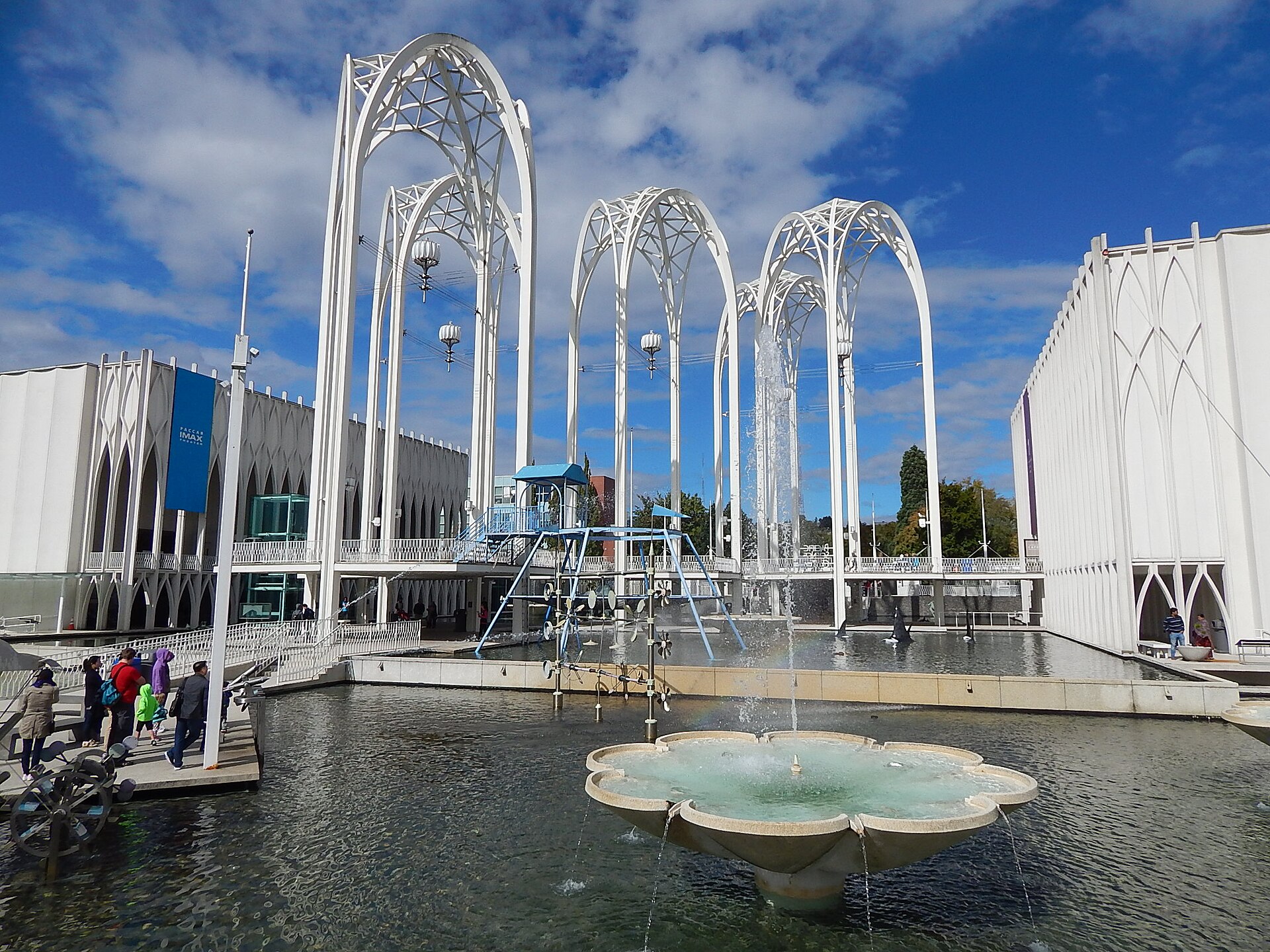
Pavilions staged futures in appliances, aerospace, and international display. The United States Science Pavilion—later the Pacific Science Center—anchored a pedagogical tone. Corporate exhibits translated research into spectacle. Foreign pavilions offered diplomacy as architecture. Everywhere, the graphic language of arrows, orbs, and sans-serif certainty told visitors they had crossed into a managed tomorrow.
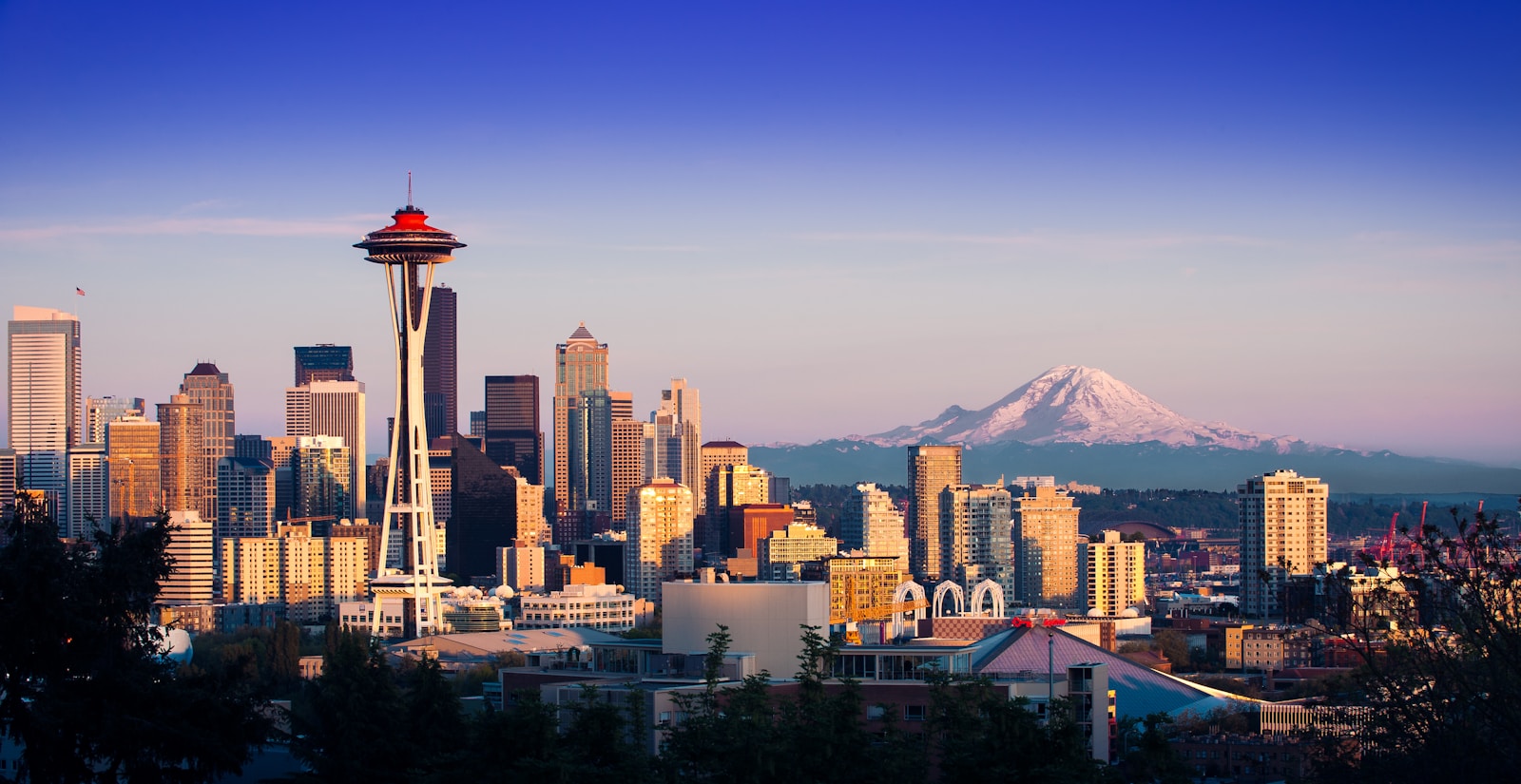
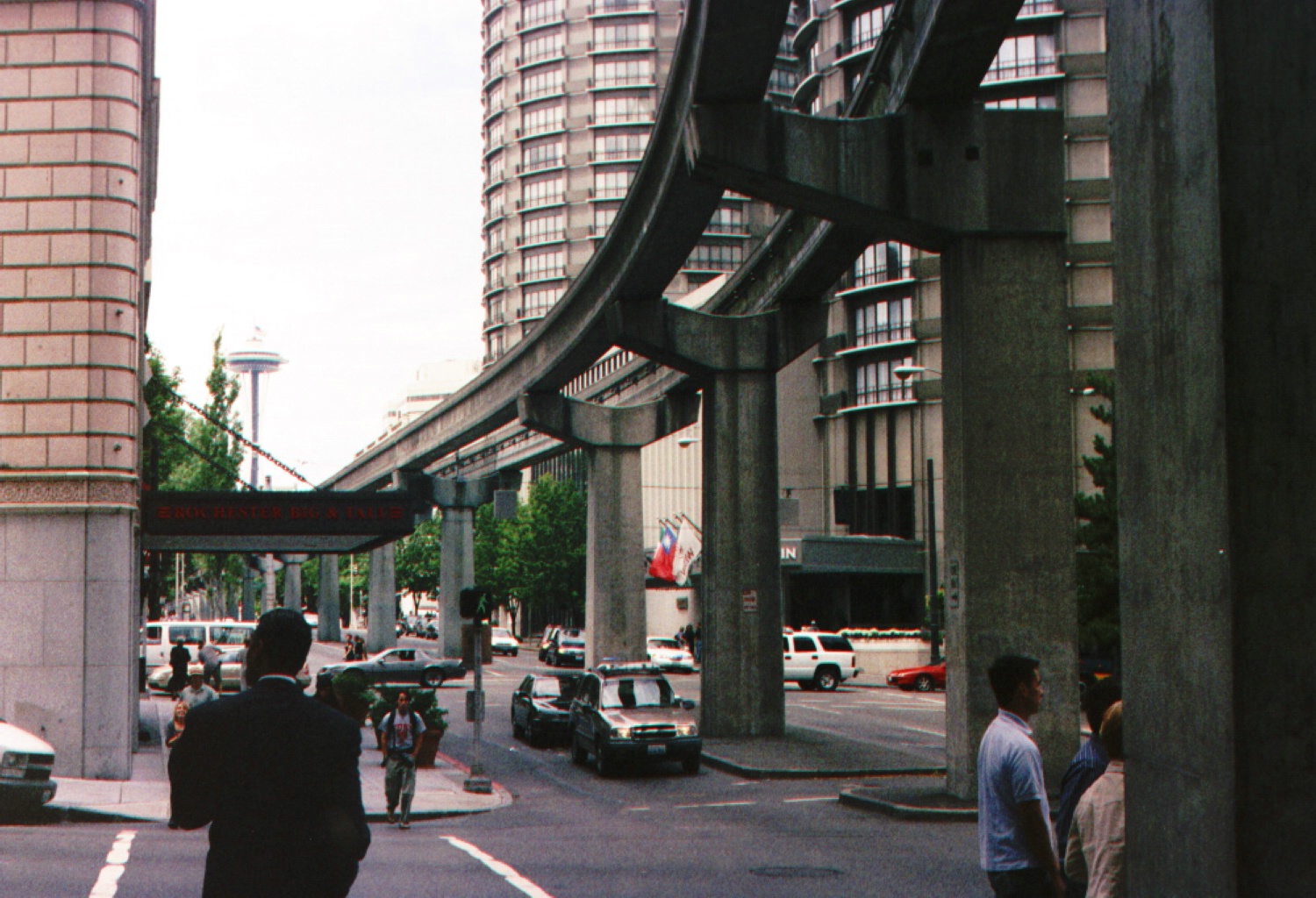
Nearly ten million people attended. They rode the monorail from downtown, climbed viewpoints, collected souvenirs, and photographed a skyline suddenly equipped with a Needle. The fair’s success was measured in gate counts and in a subtler metric: Seattle’s new habit of describing itself as a city of the future.
What closed—and what refused to leave
When the gates shut, many structures vanished into salvage and memory. Others hardened into Seattle Center’s cultural campus. The Needle stayed. The Science Pavilion stayed. The idea that Seattle could invent itself in public stayed longest of all.
Century 21’s afterlife is therefore double: a historical event with dates, and a civic myth with no closing hour. 1962 Journal reads both—the logistics of the fair and the longer cultural weather it generated across architecture, transit dreams, and Pacific Northwest identity.