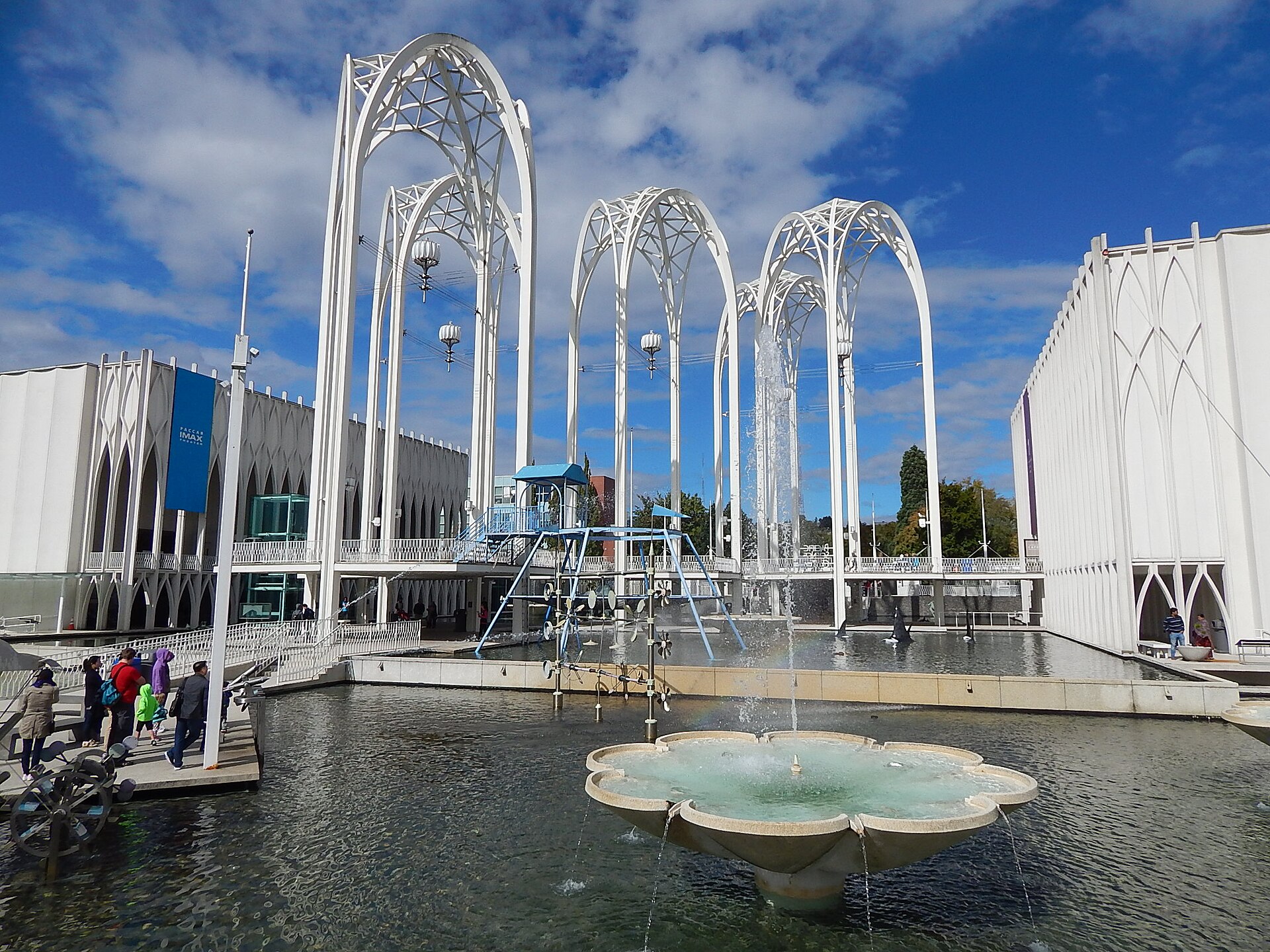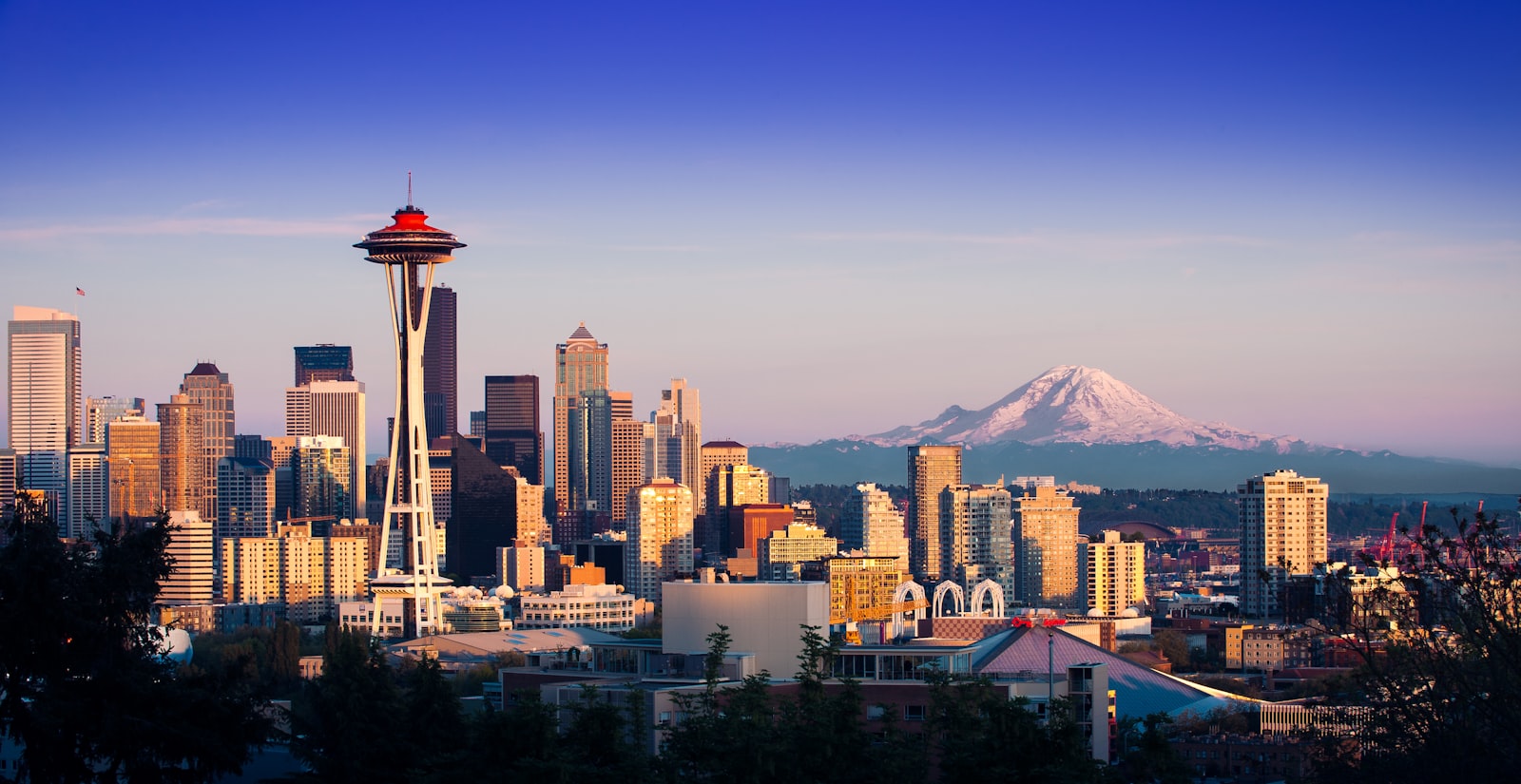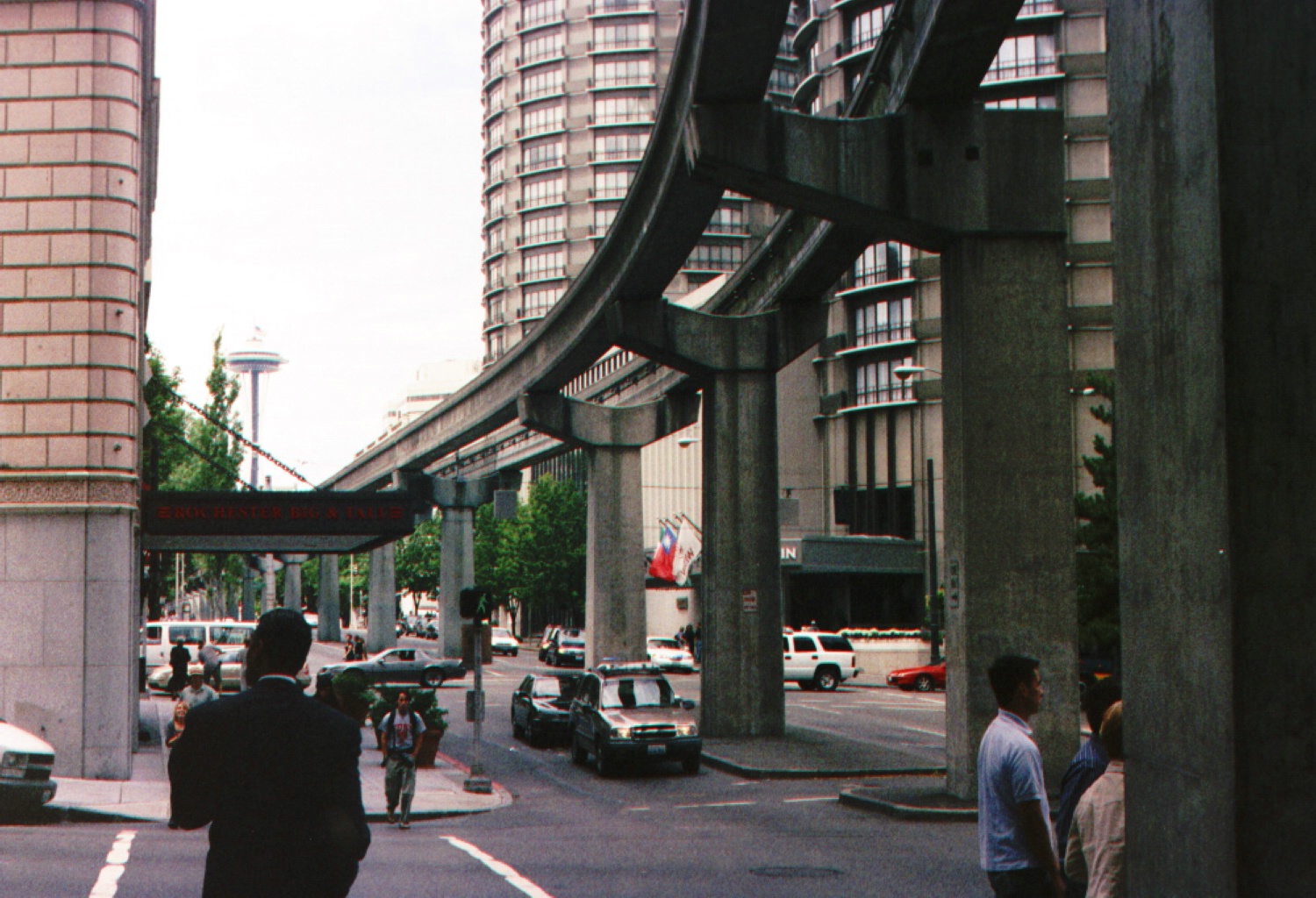
The Seattle Center Monorail is a short line with a long metaphor. Built for Century 21, it still carries the fair’s favorite promise: that the future would arrive on schedule and on elevated track.
Visitors boarded downtown and glided toward the fairgrounds, separating themselves from street congestion by a few meters of air and a great deal of symbolism. The ride was never only transportation. It was pedagogy—motion as exhibit.
A demonstration, not a network
Unlike comprehensive metro systems, the monorail was a demonstration corridor. That limitation became its myth. Generations of Seattle debates about expansion, cost, and urban form treated the existing line as either a seed or a cautionary fragment. Either way, the fragment remained visible—an elevated reminder that Century 21 believed cities should circulate like diagrams.
Why the dream still matters
Contemporary Seattle moves by light rail, buses, bikes, and congestion. The monorail’s cultural job is different: it keeps 1962’s mobility optimism in the landscape. Riding it is less about efficiency than about continuity with a fair that staged the future as something you could board.
1962 Journal reads the monorail as architecture of movement—an unfinished sentence that the city still quotes.