When a world’s fair ends, cities face a practical question disguised as poetry: what do you do with a temporary dreamscape?
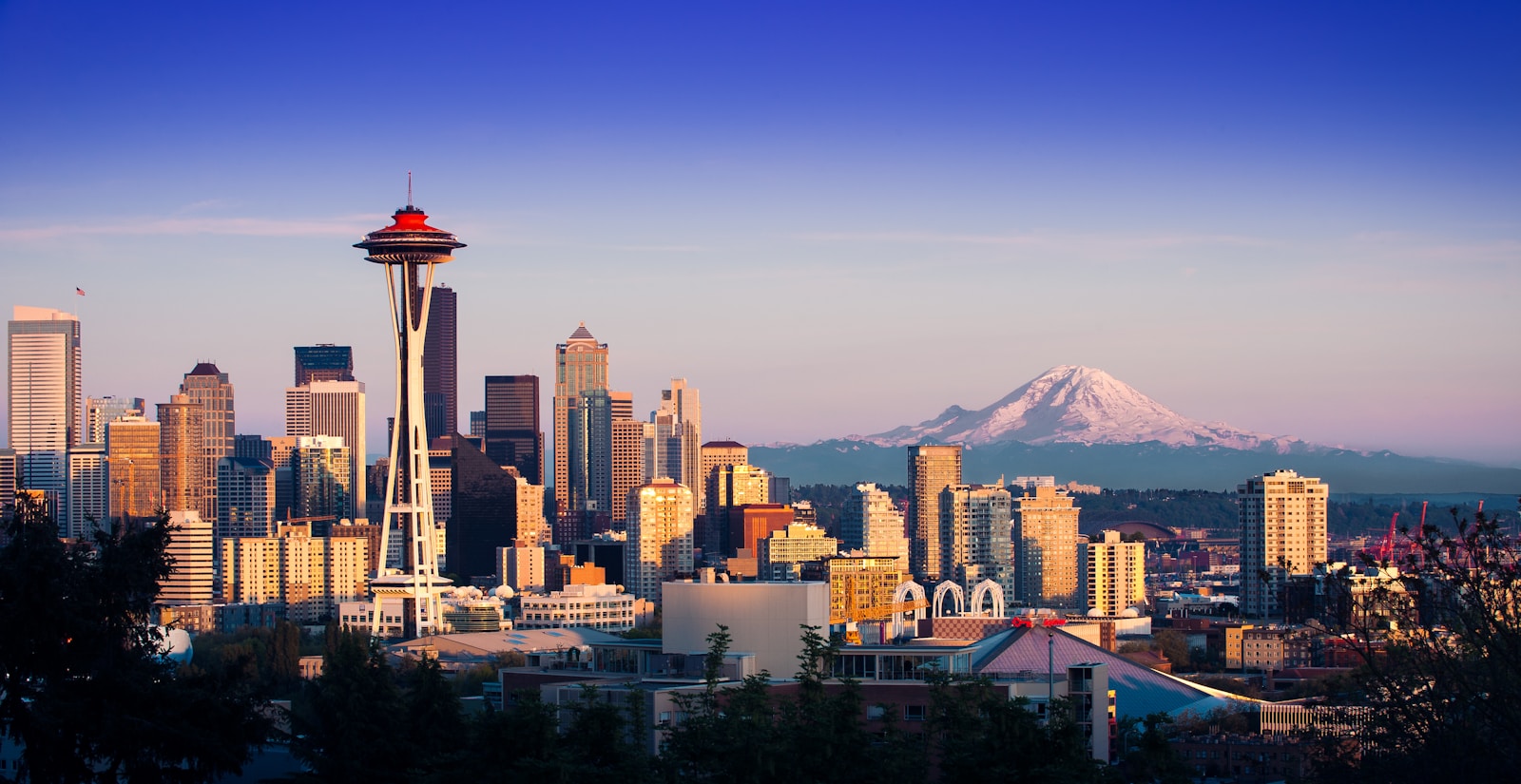
Seattle’s answer became Seattle Center—a civic campus where performance halls, museums, fountains, and the Needle share ground once mapped for exposition traffic. The conversion was neither automatic nor purely nostalgic. It was planning under pressure: keep what can serve a city, remove what cannot, and invent a post-fair identity that still feels continuous with 1962.
From midway to municipal culture
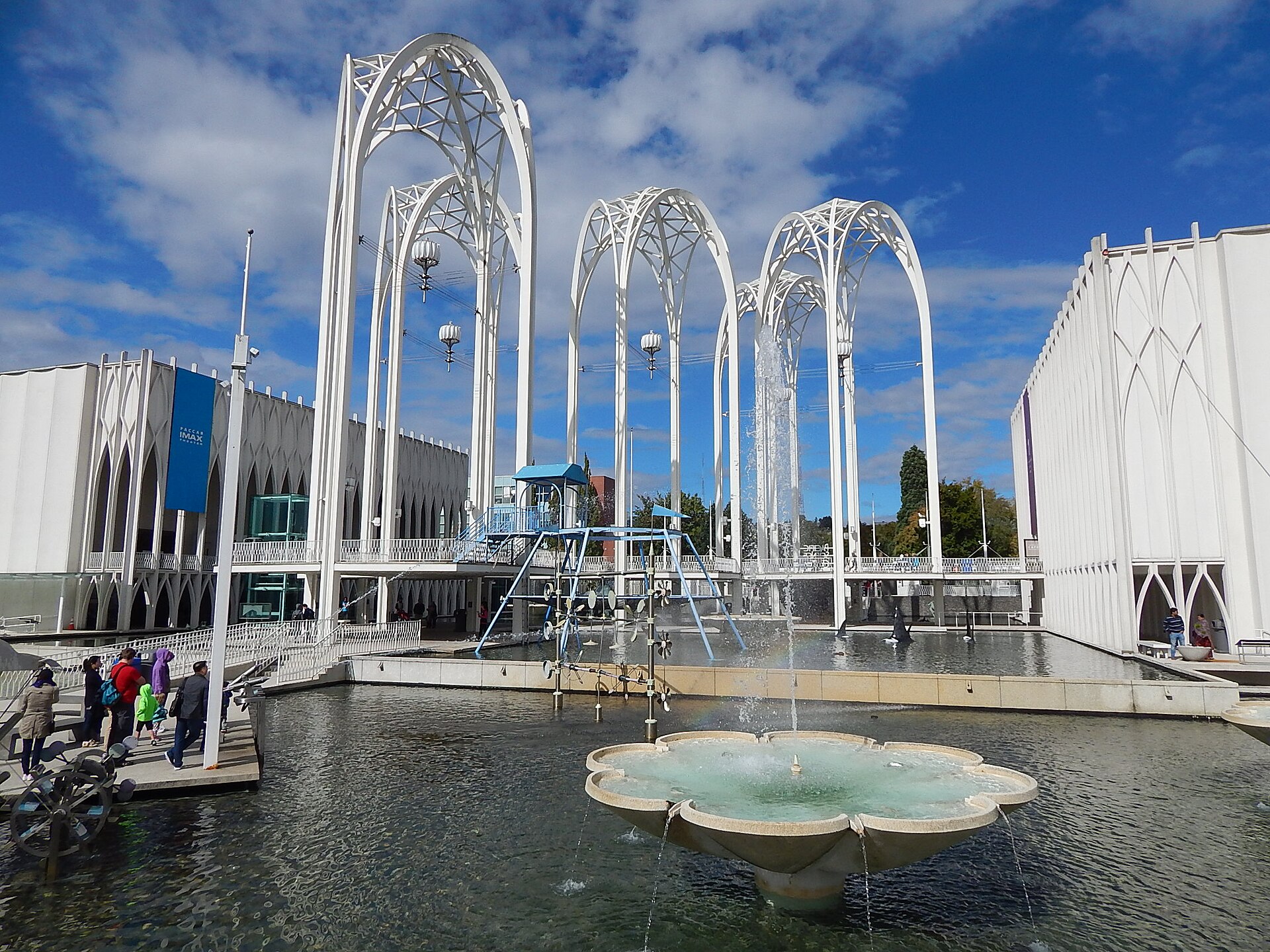
Fairgrounds specialize in novelty. Civic campuses specialize in repetition—seasons, rehearsals, school visits, festivals. Seattle Center absorbed that shift. Structures associated with science education and gathering persisted; pure spectacle often did not. The Needle, straddling both categories, remained the campus’s skyline signature.
Memory as infrastructure
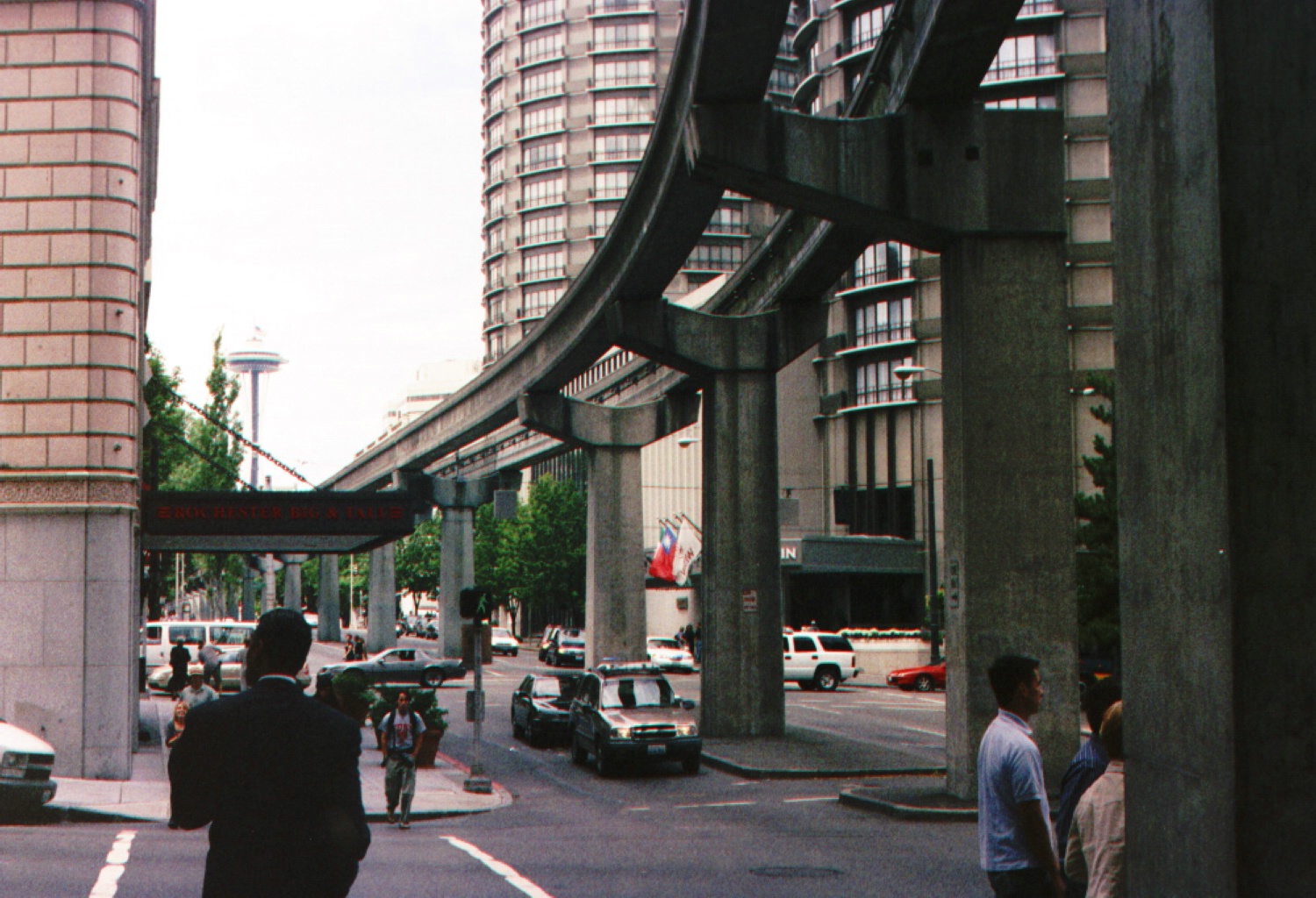
Walking Seattle Center today is walking a palimpsest: lawn over former midway logic, institutions over pavilion footprints, a monorail still docking like a fair exhibit that learned a second career. 1962 Journal reads the campus as infrastructure for memory—proof that Century 21’s most durable product was not a souvenir, but a place.