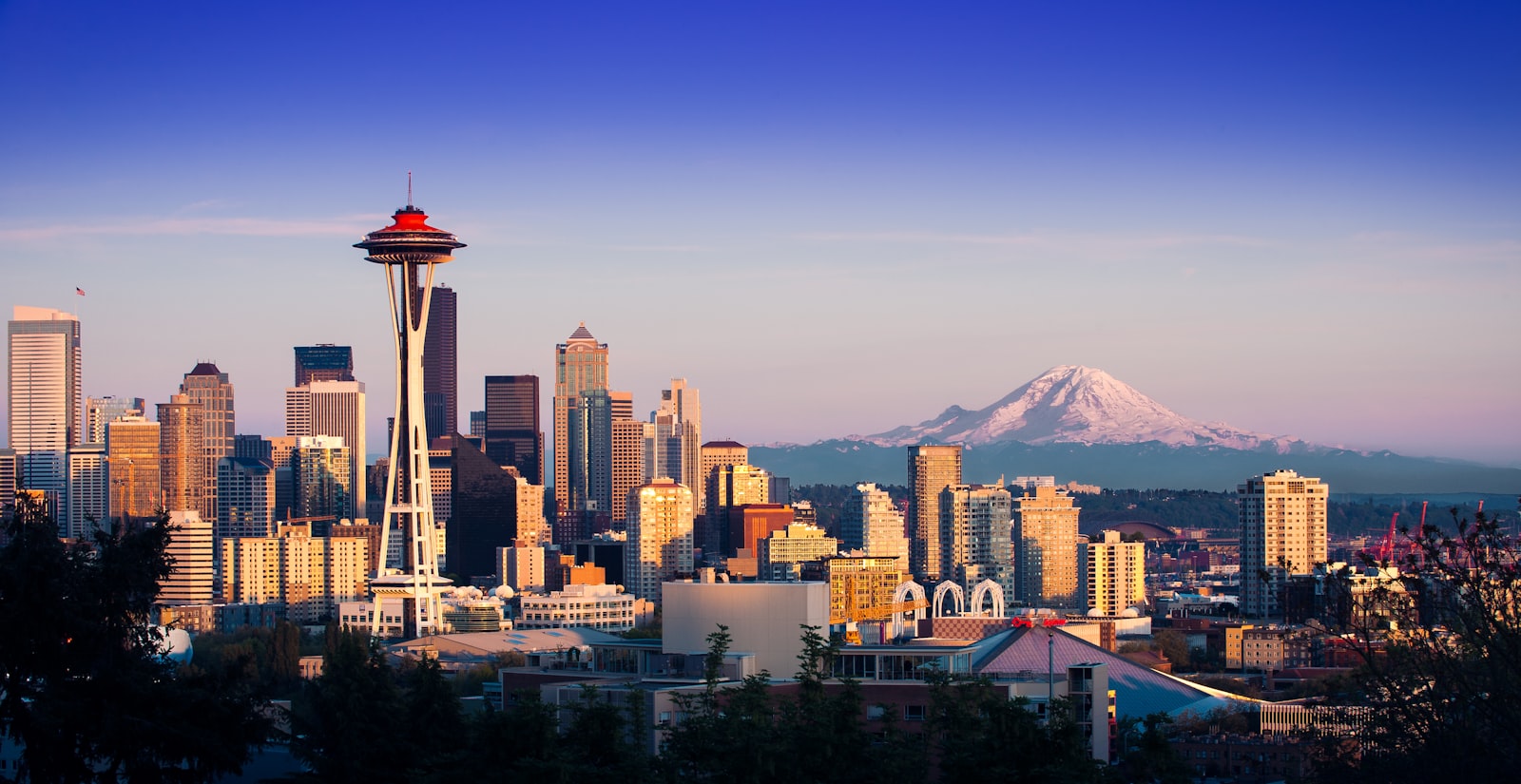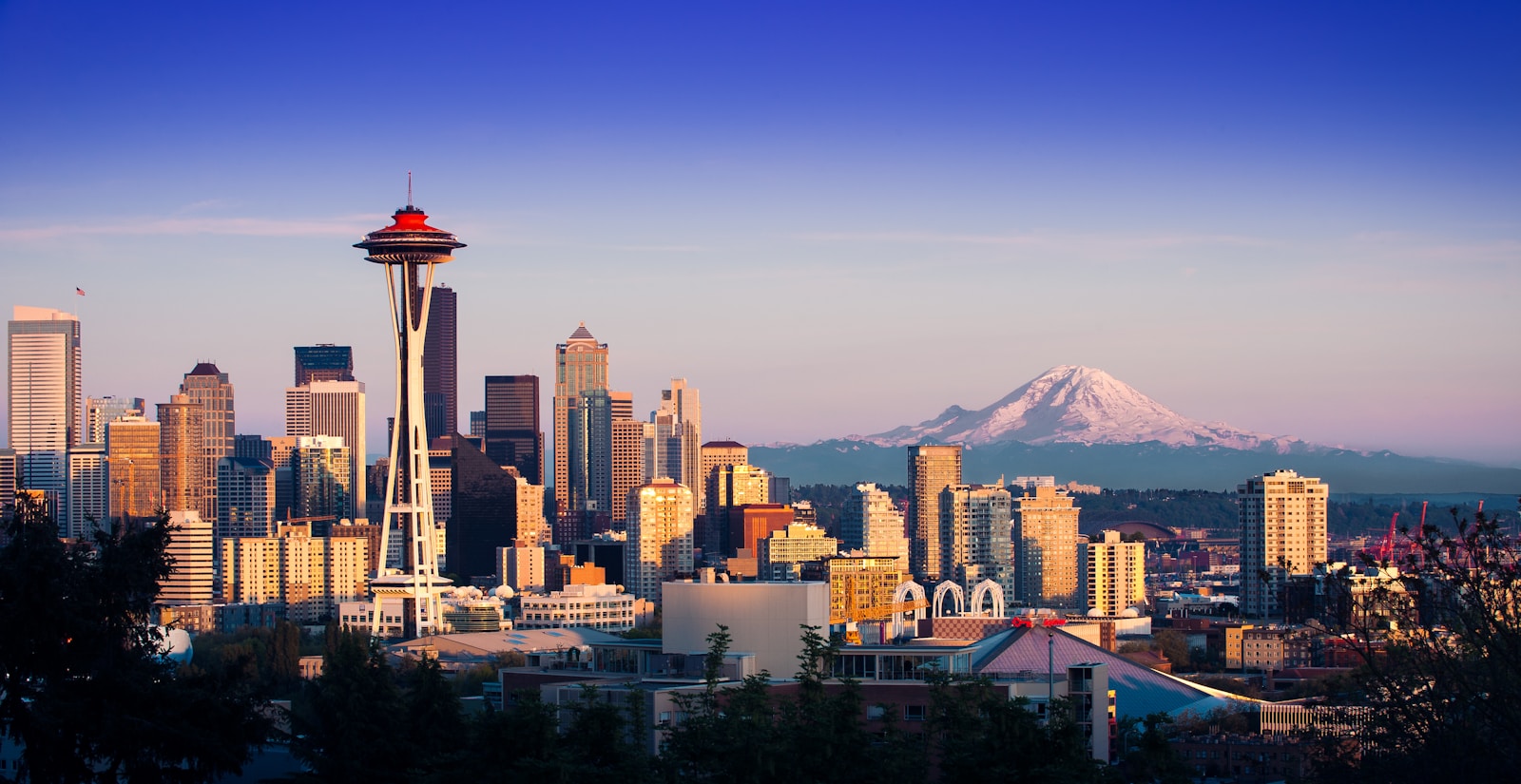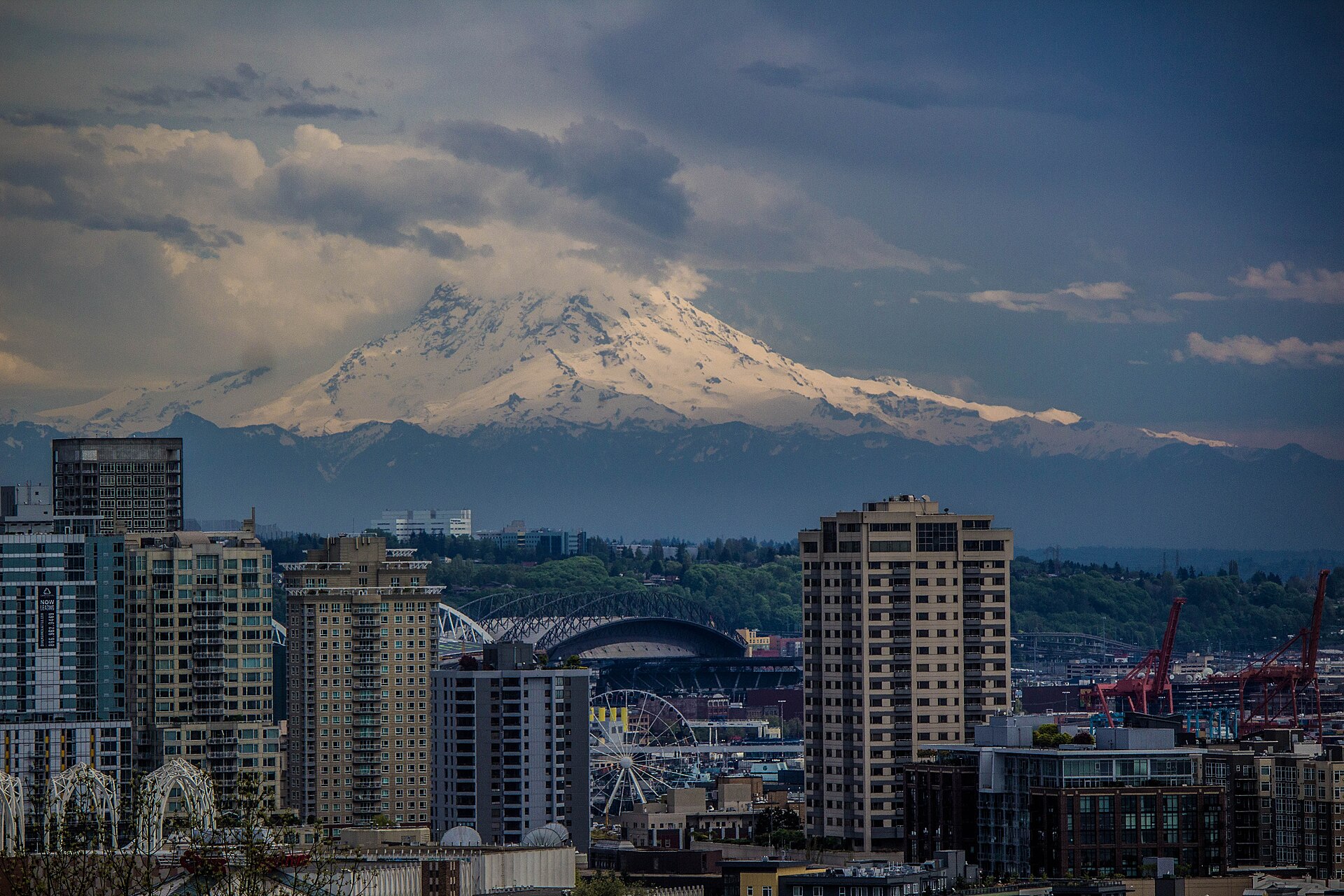
On the right afternoon, Mount Rainier does not sit in the background. It edits the foreground—rewriting every photograph taken from Seattle’s elevated decks.
The Space Needle’s observation level is a machine for framing. To the west, water and islands. To the east and south, when weather permits, the mountain’s massive cone. That permission is part of the culture: locals speak of “the mountain is out” as if geology were a guest deciding whether to appear.
Weather as co-author
Pacific Northwest light is editorial. Clouds crop the volcano; breaks in overcast reveal it like a plot twist. From the Needle, that drama becomes architectural. Steel provides the platform; atmosphere provides the narrative pacing.
Culture of the clear day
Clear-day views knit tourism, local pride, and landscape humility. The Needle may be human-made optimism; Rainier is deep time. Holding both in one turn of the head is the region’s signature composition—and a reason 1962 Journal treats observation as cultural practice, not itinerary.